• Home
  • About

30

Sep

How to Kill German Cockroaches

Posted by The Home Pest Pro  Published in Roaches

Scientific Name: Blattella Germanica


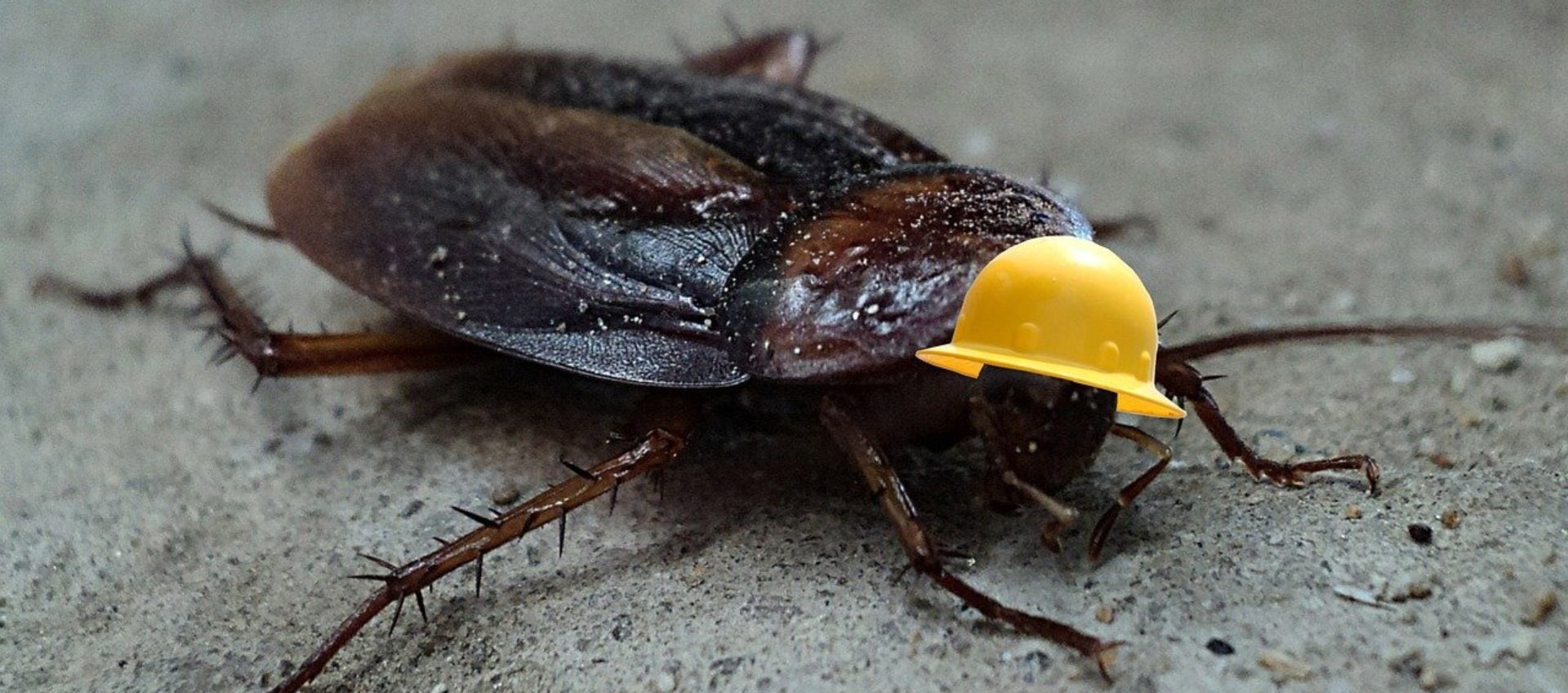
German Cockroach


The German cockroach is the most common cockroach found in homes, apartments, restaurants, supermarkets, hospitals and other buildings where food is stored, prepared or served. They eat all kinds of food and may hitchhike into the home on egg cartons, soft drink cartons, sacks of potatoes or onions, used furniture, beverage cases, etc. These cockroaches will move from building to building during the warm summer months.

German Cockroaches can develop into large populations and live throughout the home, especially in kitchens and bathrooms. Cockroaches can foul food and produce an unpleasant odor. A significant number of people are allergic to cockroaches, and may exhibit chronic symptoms without realizing the cause of their watery eyes or runny noses. Cockroaches can also contaminate food with bacteria that can cause food poisoning, dysentery, or diarrhea.

Life Cycle

German cockroach females, unlike most other cockroaches, carry ootheca that protrude from their abdomen until the eggs are ready to hatch. The ootheca is then dropped in a secluded location, where the nymphs emerge within one day. A female may produce four to eight cases during her lifetime, each containing 30 to 48 eggs. Eggs hatch in about one month, and nymphs develop in 1-1/2 to 4 months. Adult female cockroaches live about 6-1/2 months and males live slightly less. The German cockroach produces more eggs and has more generations per year (three to four) than other cockroaches, thus troublesome infestations can develop from a few individuals. This cockroach has spread throughout the world by commerce and transportation. It is the most prevalent pest in apartments in the United States.

Behavior

During the day, these cockroaches hide in clusters behind baseboard molding, in cracks around cabinets, closets or pantries, and in and under stoves, refrigerators and dishwashers. The crevices behind kitchen drawers and beneath the sink are one of the primary cockroach harborages. If clusters of cockroaches are seen during the day, the population is large. Both nymphs and adults are very active and capable of running rapidly. Without food and water adults may die in two weeks. However, they can live with only water for up to a month.

Diet

Cockroaches will eat almost any organic matter no matter how rancid. Once inside the home, they will seek out food scraps, unsealed food containers, sugar and grease deposits, pet food, rancid meat, glue and even book bindings. They eat each others feces, to feed the young “nymphs” and extract all nourishment from an organic food source. If you see a clump of pepper-like specs in your kitchen cupboards, it is likely cockroach feces marking their courtship and nearby nesting territory.

Geographical Territory

German cockroaches are the most successful roach and can be found in every area of the world.

Damage

German cockroaches produce odorous secretions that can affect the flavor of various foods. When cockroach populations are high, these secretions may result in a characteristic odor in the general region of the infestation. Disease-producing organisms such as bacteria, protozoans, and viruses have been found on cockroach bodies.

Different forms of gastroenteritis (food poisoning, dysentery, diarrhea, and other illnesses) appear to be the principal diseases transmitted by German cockroaches. The organisms causing these diseases are carried on the legs and bodies of cockroaches and are deposited on food and utensils as the cockroaches forage. Cockroach excrement and cast skins also contain a number of allergens to which many people exhibit allergic responses, such as skin rashes, watery eyes and sneezing, congestion of nasal passages, and asthma.

Control

Apply chemicals at roach hiding places. Enter a dark room quietly, turn on the light, and watch where the roaches run. Spot treat these hiding places and known pathways, especially under and behind loose baseboards or molding strips and around pipes or conduits along the walls and through them. Do not treat entire floors, walls or ceilings. Roaches may hide around the kitchen sink or drain board, in cracks underneath cupboards and cabinets, inside the motor compartment of mechanical refrigerators, behind window and door frames, in radio and TV cabinets, and around closet and bookcase shelves. Surfaces where food is prepared should not be treated. Roaches in buildings with multiple dwellings usually require the treatment of other units as well.

no comment

30

Sep

How to Kill American Roaches

Posted by The Home Pest Pro  Published in Roaches

American Cockroach

American Cockroach


Size

The American cockroach can grow to as large as 1 ½ inches long and is by far the largest cockroach infesting homes and buildings.

Color

The American cockroach is reddish brown in color and often has yellow markings around the prothorax, which is the shield on the front it its body.

Habits

American cockroaches usually live outdoors, but often live in human structures and are frequently found in restaurants and grocery stores or anywhere food is prepared and stored. In residential and commercial buildings, American cockroaches infest basements, bathrooms, crawlspaces and landscaping areas. They prefer warm, moist environments but can live in dry areas if water is accessible. Although adults have fully developed wings, and are capable of some flight, they are awkward fliers and prefer to run away very quickly when disturbed. Infestations often overtake storm drains and cockroaches use manhole covers to escape under cover of darkness to search for food in nearby buildings.

Diet

American cockroaches feed on a wide variety of materials including human hair, fingernails and toenails. They also feed on things like cosmetics, beer, potted plant shoots, wallpaper paste, soap, postage stamps, and fermenting fruit.

Reproduction

Females produce an egg case three to seven days after mating which protrudes from the tip of their abdomen. The egg case is soon deposited in a hidden location and glued to a surface with the female’s saliva. Each female produces ten egg capsules containing an average of 15 eggs per capsule. In warm conditions, these egg capsules take approximately 45 days to hatch. It then takes six to twelve months for them to mature and become reproductive. An adult female will produce six to fourteen egg cases during her lifetime.

Other Information

American cockroaches contaminate just about anything they touch with their feces and body parts. They also emit a strong and very unpleasant odor which can be transferred to items they crawl across while looking for their next meal. Some members of this species carry bacteria on and in their bodies which can contaminate food and other items. American cockroaches also produce allergens in their fecal material which may contribute to allergic dermatitis and childhood asthma.

Control

Establishing a barrier around the exterior of your home and outdoor areas is critical in the control of this common pest. Using the proper spray equipment, apply a six to eight foot barrier of Cy-kick CS or Talstar around the foundation of your home spraying one to three feet up the foundation and three to five feet out from the base of the home.

no comment

30

Sep

How to Kill Blow Flies

Posted by The Home Pest Pro  Published in Flies

Blow Flies


Size

Adults are 1/4 inch to 3/8 inch long with compact, wide bodies.

Color

Blow flies are usually shiny and metallic ranging from bright blue to coppery orange to almost black.

Habits

Blow flies are extremely common. They are loud buzzing fliers that are attracted to lights, food odors and warm/cool currents around windows and doors. The sudden appearance of dozens of blow flies in a building could indicate there is a dead rodent, bird, or other animal in the wall, ceiling or attic.

Diet

Blow flies are scavengers that feed on trash, decaying animals and animal feces. They are usually the first insect to reach a dead animal. Blow flies are an important part of the decomposition process because they recycle nutrients back into the soil.

Reproduction

Female blow flies lay several hundred eggs on or near suitable food sources such as garbage containers, dumpsters and compost piles. Tiny maggots hatch from eggs in 6 to 48 hours then undergo several stages before becoming adult flies. It takes 16 to 35 days for the development from egg to adult.

Other Information

Maggots have hook-like mouthparts that tease apart tissues in which they live. Adults have sponge-like mouthparts similar to those of house flies. Blow flies are important decomposers of dead animals and other rotting organic material, such as decomposing plant material. Their larvae are frequently used in forensic science to determine facts about a crime scene.

Control

Control of the source of the larvae is critical, involving cleanup and proper maintenance of garbage containers, removal of dead rodents or birds, and elimination of piles of yard debris or animal feces outdoors. The use of UV light traps, such as the Fly Relief Fly Trap is highly effective in trapping adults, as are bait granules or bait strips such as Maxforce Fly Granules and Stimukil Fly Bait.

no comment

30

Sep

How to Kill Field Crickets

Posted by The Home Pest Pro  Published in Crickets

Field Cricket


Size

Field crickets are black, compared with the tan or light brown house crickets. They have long, thin antennae and long, enlarged hind legs designed for jumping. They also have two large spikes (called cerci) that extend from the back of their abdomens. Adults have wings.

Habits

Field crickets are seen and heard during late summer and fall. They are generally found outdoors, but have been known to invade homes in search of warm hiding places in the colder months. Once indoors, they can cause damage to fabrics, paper, leather, furs and other materials indoors. They also cause tremendous destruction to outdoor landscaping. Field crickets are subject to huge population surges, and may become extremely abundant virtually overnight.

Diet
Field Crickets eat plant material including seeds and small fruits. They also eat both living and dead insects. If they become very hungry, field crickets will cannibalize each other.

Reproduction

After mating, female field crickets look for damp soil in which to lay their eggs. They inject a needle-like ovipositor deep into the soil to deposit 50 or so eggs. Females lay 150 to 400 eggs over the course of their short life cycle. Eggs hatch in the spring, usually in May. Young crickets are called nymphs. They eat a great deal and grow very quickly, shedding their outer skin about eight times as they mature. Each time they molt, they look more like adults.

Other Information

Field crickets are fully mature at about two months old and begin looking for mates. Males sing and dance to attract females. The song is made by rubbing the front wings together and females hear it through tympanum (eardrums) on their front legs. When a female approaches a male, he does a back and forth courtship dance. Adult and nymphs die when cold weather arrives, but eggs beneath the soil survive to hatch in spring.Treatment Tips

When treating a cricket infestation, it is important to treat not only around the home, but also other harborages, such as piles of debris, plants and shrubs, and around pools and fence lines.

no comment

30

Sep

How to Kill Little Black Ants

Posted by The Home Pest Pro  Published in Ants

Little Black Ant


Getting Rid of Little Black Ants

When dealing with any ant problem, the most important step is finding the source. Firewood should be stored to avoid the ants building nests in it – off the ground and/or in a contained area. Treating window and door areas can help control these pests from entering. All cracks and openings on windows or doors should be sealed.

After accurately identifying the pest ant and locating the trails of ant activity, remove any attracting substrates or foodstuffs. For example, remove rocks and other debris if activity was located under such items. Trim branches if the ants are using them to scale up the foundation. Cracks in the exterior wall require sealing. If active mounds are located, apply residual insecticides as directed by the label. Perimeter barrier treatments are seldom needed.

Inside the building, place aerosols or dusts in voids where activity has been noted during the inspection. Another option of control is the use of commercially available baits which are effective in controlling the little black ant. Perform follow-up inspections after initial bait placement to ensure that the foragers are feeding on the bait and that plenty of bait is available. Regularly inspect for signs of ant activity to ensure the success of your management program.

About Little Black Ants

The little black ant is named for its small size and jet-black coloring. It is related to the Pharaoh Ant and is about the same size but is shiny black instead of amber or orange. Though the ants live and nest mostly out of doors, they can nest inside structures, most commonly in wood and masonry.

Identification

The ant is one of the smallest, with workers only reaching about 1/16 inch long and queens reaching 1/8 inch long. Their coloring is dark brown to jet black. The antenna has 12 segments with a 3 segmented club on the end. The little black ant’s thorax is unevenly rounded and the pedicel has 2 segments. The ant can sting though the stinger is very weak and small.

Nests are found in soil, stumps, logs and under rocks and bark. They are sometimes found in homes in search of water. They will feed on sweets and fats on kitchen counters. Little black ants have large colonies with thousands of workers and many queens.

Life Cycle & Reproduction

Little black ants live together in colonies and each colony has at least one queen, but can have many. The queen(s) lays eggs that the worker ants guard, feed and defend. Eggs hatch into grubs, which grow into new workers. It takes ten days for ant eggs to hatch. Some ants have wings and if the colony gets too big, these ants fly away, mate, and start new colonies.

Behavior

Little black ants are active both during the day and at night, spending much of their time carrying food back to the nest. This ant is most commonly found outdoors and usually builds nests in the soil under debris, stones, rocks or other objects, as well as in open areas in lawns or turf. The nest opening has a small crater of soil around it. Sometimes, these ants will build their nests indoors behind walls or under carpets. The colonies are small but have numerous queens, and will relocate if they are disturbed. Little black ants can carry 20 times their body’s weight. They forage in trails, which can frequently be seen on foundation walls and along sidewalks outside. During the night, workers move eggs and young larvae deeper underground to protect them from the cold.

Diet

The little black ant has strong jaws but is unable to chew food. Instead they suck out the liquid and leave any solid parts behind. They prefer to eat the sweet honeydew produced by aphids and mealy bugs but they also consume whatever human food they can find. The ants will feed on meats, grease, oil, fruit, vegetables and vegetable products such as corn meal, and sweets. Little black ants also feed on protein from live or dead insects. The workers forage in scent marked trails along the edges of structures such as foundation walls and along sidewalks. They feed on aphids as a source of honeydew, plant secretions, and are predaceous on other insects.

Geographical Territory

The little black ant is a Native American species found throughout the United States. It can be seen in Southern California as well as the San Francisco Bay area, but is most commonly found in the eastern half of the United States.

Damage

Inside a structure, the little black ants can build nests in wood, decaying wood, and masonry.

no comment

30

Sep

How to Kill Harvester Ants

Posted by The Home Pest Pro  Published in Ants

Harvester Ant


Size

Harvester ants are one of the larges ants and can grow as long as ½ inch.

Color

Colors vary depending on species and range from reddish brown to black.

Habits

Harvester ants are very common in urban areas and one nest can house up to 12,000 workers. Harvester ants are very large and have a nasty and painful sting. They will fiercely protect and defend their nest. Nest openings typically have a large, circular, flat area around them, which is created by workers as they clear the nest of any soil or debris. The nests can go as deep as 15 feet and can have a great number of chambers.

Diet

Harvester ants gather and feed on seeds and other vegetation.

Reproduction

Winged males and females swarm, couple and mate and the males die soon after. Females immediately find a nesting site where they drop their wings, dig a burrow and lay their eggs, which develop through several stages to become workers. Once mature, these worker ants care for other developing ants, enlarge the nest and forage for food.

Other Information

Harvester ant colonies are typically widely separated; however, there can be heavy infestations in pasture and rangeland. These ants are known to destroy agricultural crops and can significantly reduce crop yields if left uncontrolled. They colonize in ornamental turf and landscape areas where their presence is undesirable.

Treatment Tips

Harvester ant nests are usually found in open areas, but can also be found under slabs or porches and also in lawns and other landscape areas. It is important to find the source so that you may treat it directly.

no comment

30

Sep

How to Kill Fire Ants

Posted by The Home Pest Pro  Published in Ants

Fire Ant


Size

This is a highly polymorphic species, with various sizes of workers within a single colony. The largest workers in the colony can be as much as ten times the size of the smallest workers.

Color

The red imported fire ant is covered in long, bristly hairs and is identified by its red head and thorax and red and black abdomen.

Habits

The red imported fire ant is one of the worst ant pests in the U.S. in terms of human health, property damage, and environmental damage. Colonies may have several hundred thousand workers and dozens of queens, and workers very aggressively defend their nest with stinging. Nests are created in the soil and can be identified by the large mound of soil raised above the surface. They are very common in turf. Red imported fire ant nests may go as deep as eight feet in the soil, and produce mounds above ground that are three feet tall and two feet wide. When their mound is disturbed they will rapidly overwhelm the intruder and, on a chemical command, begin stinging simultaneously. Nests may be found in wall voids, rain gutters, bath traps, and under carpets, as well as in electrical equipment.

Diet

The workers are aggressive predators, feeding on any other insects they find as well as small mammals or birds, earthworms, frogs and lizards. They dramatically alter the natural habitat when they move into an area.

Reproduction

Males die after mating and the female creates a brood cell in the soil and deposits 10-15 eggs using her tubelike ovipositor. These hatch in seven to ten days and are fed by the queen. Within 15 days, pupae emerge and begin to forage for food. Within 30 days, larger workers emerge and the colony grows. The queen lives up to seven years and produces an average of 1,600 eggs per day throughout her life. A red imported fire ant colony can hold more than 250,000 ants.

Other Information

Most red imported fire ant stings result in a raised welt that becomes a white pustule. If a person is allergic, however, he or she may experience a more grave reaction. Victims rarely receive a single sting; instead, a person typically receives many hundred stings simultaneously. Red imported fire ant colonies may contain numerous queens and have multiple satellite colonies. Up to 200 mounds per acre have been found.

Treatment Tips

Due to the large colony size, deep nests, and sensitivity to chemicals, baiting is a preferred method of control, and baits with an oil attractant appear most acceptable. Physical disturbance and flooding of the mounds do not work.

no comment

30

Sep

How to Kill Carpenter Ants

Posted by The Home Pest Pro  Published in Ants

Carpenter Ant


Black Carpenter: AntCamponotus pennsylvanicus
Red Carpenter: AntCamponotus ferrugineus
Smaller Carpenter: AntCamponotus nearcticus

Carpenter ants are a nuisance by their presence when found in parts of the home such as the kitchen, bathroom, living room and other quarters. When 20 or more large winged and/or wingless ants are found indoors, in the daytime near one location, it is possible that the colony is well established in the home and the nest may have been extended into sound wood, sometimes causing structural damage. They do not eat wood, but often remove quantities of it to expand their nest size. However, if only one to two large wingless ants are erratically crawling, they may simply be foraging for food with the nest located outside. Outdoors, they are frequently seen running over plants and tree trunks or living in moist, partly rotten wood stumps.

Identification

Carpenter ants range in color from tan to black and are usually 1/4 – 3/8 inch-long. They are some of the largest ants found in homes and yards. The most common indoor species has a black tail (abdomen) and reddish-brown head and thorax, though the winged forms of this ant may be entirely black. Other carpenter ants (workers, swarmers) can range in colors from yellow to black. Possible distinguishing characteristics of these ants can include a pinched waist, elbowed antennae (these characteristics also distinguish ants from termites), a single bump or node between the abdomen and thorax, and an evenly sized rounded thorax (if viewed from the side with a hand lens.)

Life Cycle & Reproduction

Most ant colonies start with a single fertilized queen who creates a nesting site in a wood cavity. She raises the workers, which survive eating on her salivary secretions. These first workers gather food and feed the newer larvae. As more and more larvae mature and more worker ants can gather food, rapid growth of the colony occurs. It can take a colony up to six years to reach a mature stage. Once at this stage, a colony may contain more than 2,000 workers, and can begin to produce young queens and males. In the spring, these mature colonies produce winged reproductive ants, called swarmers, which fly out to begin new colonies. It can often be possible for indoor colonies to spread to “satellite colonies”, so homeowners may see large swarms of flying ants inside their homes at night.

Behavior

Large carpenter ant colonies, which can have up to 100,000 workers, are most often discovered nesting in buried or partially buried moist wood such as dead trees, rotting stumps and logs. However, nests can be found inside houses, telephone poles, or other wooden structures. Unfortunately porch pillars, roofs, windowsills, and other wood in contact with soil can be common nesting places for ant colonies. Workers stay on well-marked trails yet manage to maintain contact between the colonies as they travel to find food. Carpenter ants establish a parent colony, but then branch off satellite colonies that may be in the same structure.

Diet

Carpenter ants dine on a wide variety of foods and will forage for water and any food left out inside a house. Although their natural food sources are other insects, plant juices and the honeydew produced by aphids and other insects, they will eat almost any other food item.

Geographical Territory

Carpenter ants live throughout the United States. The black carpenter ant is common in the east; the western carpenter ant in the west.

Damage

Carpenter ants damage wood by excavating and building galleries and tunnels for their nests. The damage you may to wood structures can be variable. Obviously, the longer a colony is present in a structure, the greater the damage can be done. If structural wood is weakened due to large nests (or numerous nests), carpenter ant damage can be severe.

Control

The most successful way to control carpenter ants is to search and destroy their nests. This can be quite difficult if colonies are deep within a wooden structure. Carpenter ants tend to follow distinct scent trails between the satellite colonies and the original nest. Carpenter ants also rely on these scent trails to bring their nest mates to food. Carefully and patiently watching the behavior and trails of the ants can lead homeowners to discovering the carpenter ants’ nests. It is important to keep bushes and trees trimmed and away from touching the house when eliminating Carpenter ants.


no comment

30

Sep

How to Kill Argentine Ants

Posted by The Home Pest Pro  Published in Ants

Argentine Ant


Size

The Argentine ant grows to about 1/8 inch long and all workers are the same size.

Color

They are shiny and range in color from dull gray-black to gray-brown.

Habits

Argentine ants build shallow nests in the soil beneath stones, concrete slabs or other debris. They may also be found in piles of lumber, bricks, landscape mulch, insulation, walls and trees. Argentine ant colonies can grow very large with tens of thousands of workers and multiple queens. Colonies often combine becoming one huge super-colony extending over several residential properties. Argentine ants are very aggressive and will drive out other ant species.

Diet

Their primary food source is the sweet honeydew produced by aphids and mealy bugs. Protein foods may be part of their diet, but Argentine ants prefer sugar and will also dine on household food products and garden fruits. They enter houses in search of food and water. Argentine ants are fond of sweets, tuna, syrups, juices, eggs, dead spiders and rodents, vomit, feces and just about any other organic matter they can find.

Reproduction

Colonies contain thousands of workers and many queens, and mating takes place within the confines of the colony. Queens are the only ones that lay eggs. Since Argentine ants have as many as eight queens for every 1,000 workers, they raise more babies, making it very difficult to kill a colony.

Other Information

Though the Argentine Ant is a small, non-stinging ant, it is very territorial and aggressive and will drive away or kill competing ant species. They make a chemical called iridomyr-mecin which they smear on their enemies to kill them or make them run away. Neighboring colonies of Argentine ants appear not to be aggressive toward each other, allowing for the rapid spread and domination of this species.

Treatment Tips

The most important step when dealing with any ant infestation is to find the source.


no comment

30

Sep

How to Find and Kill Black Widow Spiders

Posted by The Home Pest Pro  Published in Spiders

black widow spider


Size

These venomous spiders are usually a ½ inch in length, with a shiny black body, long thin legs and large oval abdomen. Females typically exhibit a red “hourglass” pattern on the underside of the abdomen, but this is not always the case.

Color

Usually shiny black but may also be various shades of brown or mottled brown and white.

Habits

The black widow spider weaves a very strong but formless and erratic web close to the ground and can often be found in drain pipes, under outhouse toilet seats and beneath logs and rocks. The tips of the spider’s legs are oily to prevent it from becoming stuck in its own web. It can usually be found hiding belly up in its web waiting to catch prey.

Diet

Both males and females construct webs to capture their prey which includes flies, moths and crickets and may also consist of reptiles and other small animals. Their fangs inject venom as well as digestive juices into the prey. This method not only kills the prey, but also liquefies its flesh so the spider can eat it more easily.

Reproduction

A female black widow can produce up to nine egg sacs with an average of 300 to 400 eggs in each sac. The sacs are about ½ inch in diameter and have a smooth surface. The newly hatched spiderlings emerge from the sac and remain close to it for a day or two. Although they are not poisonous, they are cannibalistic and will often eat one another. After a few days the spiderlings climb to high points, release a strand of webbing and propel themselves to other locations in a process known as ballooning.

Other Information

The black widow spider is the most dangerous North American spider because they inject a neurotoxin when they bite, the effect of which can be serious and even fatal. A bite results in extreme pain and cramping that can take several days to diminish. Many people are bitten when they pick up a log or other item the spider is hiding under.

Control

The application of Cy-kick CS or Talstar, residual pesticides, around the exterior of the home is critical in the elimination of the black widow spider as is the removal of any webs using a product called De-webber. Use proper spray equipment to apply a five to ten foot barrier around the foundation of the home, fence line and garage or outbuilding areas.

Common places to find Black Widows

  • Just inside the garage.
  • Corners by entry way, down by the J-rail/siding or foundation.
  • Up in the eves when there is a bad infestation.
  • Coming out of the weep holes.
  • Coming off of the siding.
  • Under plastic drain boards by waterspouts.
  • Under water meter box.
  • In the corners by fences.

Pest, which Draw Black Widows to the house.  (FOOD)

  • Crickets
  • Water bugs/roaches
  • Earwigs and rolly pollies.
  • Silverfish

Other information

  • B.W. can lay 2-4 egg sacks of 400-800 eggs per year and live 1-3 years.
  • See picture for full description.
  • B. W. are aggressive when they are protecting eggs
  • Black Widow babies are red in color.
  • Anyone bit by a BW should go to the hospital immediately.
no comment

Search

About

This is sitename and some description about your self here...

Categories

  • Ants (5)
  • Crickets (1)
  • Flies (1)
  • Roaches (2)
  • Spiders (1)

Archives

  • September 2010 (10)

Blogroll

  • Documentation
  • Plugins
  • Suggest Ideas
  • Support Forum
  • Themes
  • WordPress Blog
  • WordPress Planet
  • Wordpress Plugins

Pages

  • About

Meta

  • Log in
  • Main Entries Rss
  • Comments Rss
January 2012
M T W T F S S
« Sep    
 1
2345678
9101112131415
16171819202122
23242526272829
3031  

Recent Post

  • How to Kill German Cockroaches
  • How to Kill American Roaches
  • How to Kill Blow Flies
  • How to Kill Field Crickets
  • How to Kill Little Black Ants
  • How to Kill Harvester Ants
  • How to Kill Fire Ants
  • How to Kill Carpenter Ants
  • How to Kill Argentine Ants
  • How to Find and Kill Black Widow Spiders

Recent Comments

  • Keine Kommentare vorhanden.
© 2007

Theme Design by short funny jokes | Brought by Wordpress Com Themes